By Mark T. · Updated 2026-06-26 · 12 min read
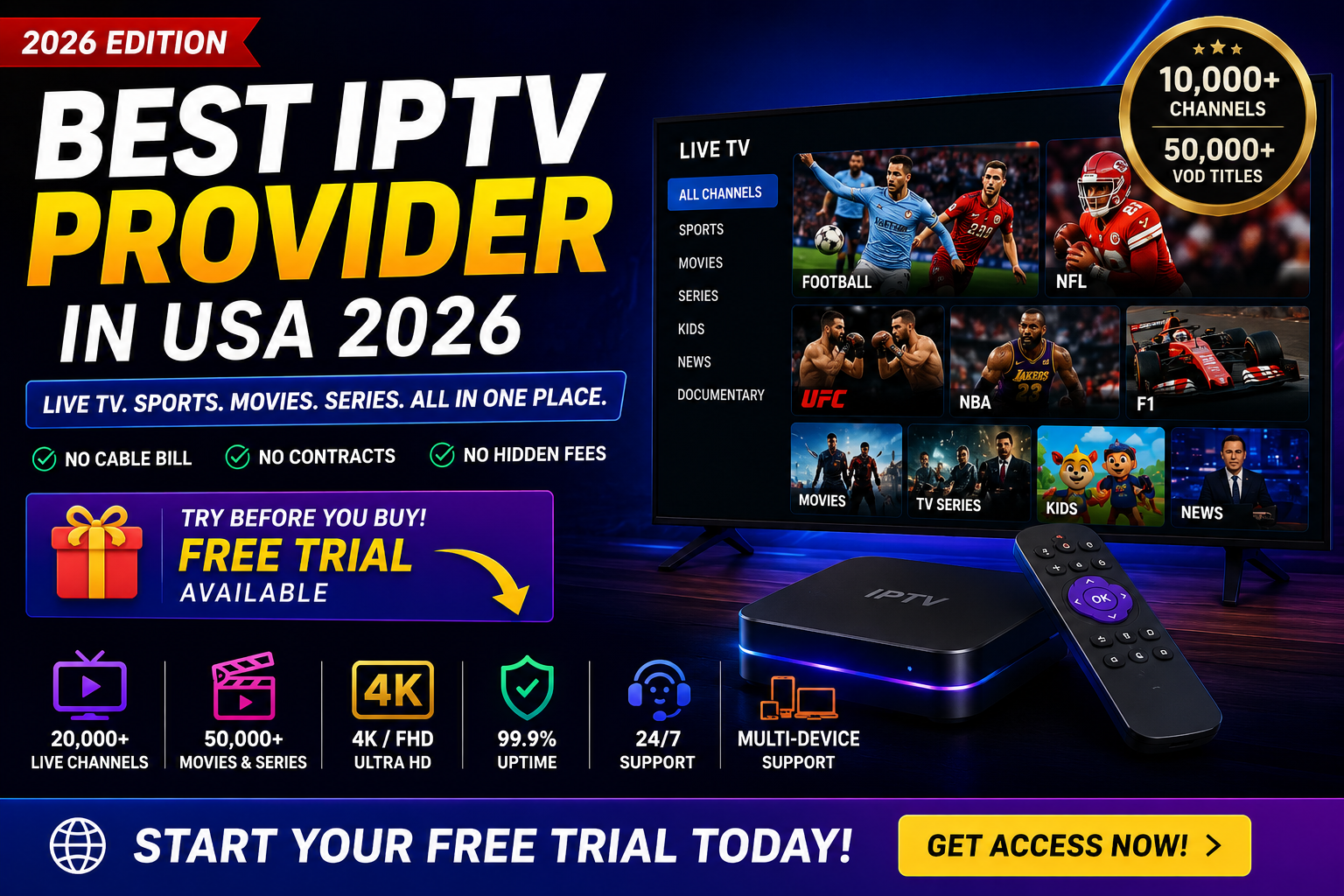
You’ve heard the term tossed around in online forums and tech blogs. Maybe a friend mentioned getting hundreds of channels for a fraction of what cable costs. The promise is tempting, but you have real questions: Is an IPTV subscription service actually reliable? Is it legal? How do you even buy one without getting scammed?
This guide answers those questions directly. We’ll walk through exactly what an IPTV subscription service is, how the technology works under the hood, the concrete benefits and honest drawbacks, and—most importantly—how to find a service that delivers what it promises without headaches. Whether you’re cutting the cord or just curious, you’ll leave with a clear, actionable understanding.
What Is an IPTV Subscription Service Exactly?
IPTV stands for Internet Protocol Television. Instead of receiving TV signals through traditional terrestrial, satellite, or cable formats, an IPTV subscription service delivers television content over your internet connection. The key distinction is that IPTV uses your home network to stream live channels and on-demand content, much like Netflix or YouTube, but focused on linear television.
There are three main types of IPTV delivery: live television (broadcasts in real time), video on demand (VOD, like a library of movies and shows), and time-shifted media (catch-up TV that lets you watch a program after it aired). Most commercial IPTV services bundle all three into one plan.
The technology relies on a client-server model. Your device—whether a smart TV, Android box, phone, or computer—runs an IPTV player app that communicates with the provider’s server. The server streams the channel you select in small data packets, which your player reassembles into smooth video and audio. This is why your internet speed and stability matter far more for IPTV than they do for cable.
How an IPTV Subscription Service Works Step by Step
Related Reading: Free Monopoly Go Dice: Complete Guide for Smart Players
Understanding the flow helps you diagnose issues later and spot a quality provider. Here’s the process from sign-up to watching your first channel.
Step 1: Choosing a Provider and Plan
You select a provider based on channel lineups, pricing, server reliability, and device compatibility. Reliable services offer a dedicated dashboard where you manage your subscription.
Step 2: Receiving Your Credentials
After payment, the provider sends you login details—usually a username, password, and a server URL or M3U playlist link. This is the digital key that unlocks their channel catalog.
Step 3: Installing a Compatible Player
You need an IPTV player app on your device. Popular options include TiviMate (for Android TV), IPTV Smarters, XCIPTV, and GSE Smart IPTV. These apps are available outside of official app stores, so you may need to sideload them.
Step 4: Configuring the Player
Open the player, select “add playlist,” and enter the server URL or upload the M3U file the provider gave you. The player will load the full channel list and electronic program guide (EPG) with schedule data.
Step 5: Selecting and Streaming
The EPG displays a grid of channels and upcoming programs. Tap or click any channel, and the player requests the stream from the provider’s server. Buffering time depends on your internet speed and the server load at that moment.
Concrete Benefits for Users
People switch to IPTV for a handful of practical reasons. These aren’t theoretical advantages—they’re measurable differences that affect your daily viewing experience.
- Cost savings: A quality IPTV plan typically costs between $10 and $25 per month, compared to $80–$150 for cable. Annual plans can drop below $100.
- Channel variety: Many providers offer 10,000+ channels, including international content from dozens of countries. Sports fans can access leagues not available on local cable.
- Multi-device support: You can watch on your TV, phone, tablet, laptop, and even some gaming consoles, often simultaneously depending on your plan.
- On-demand libraries: Most services include thousands of movies and TV series in their VOD section, updated regularly.
- No long-term contracts: The vast majority of IPTV services operate on a month-to-month basis. You can cancel anytime without early termination fees.
The ability to watch live sports, 24/7 news channels, and premium movie networks for a fraction of traditional costs is the primary driver of adoption. For diaspora communities especially, access to home-country channels can be invaluable.
Honest Limitations You Should Consider
Related Reading: Why Matchmaster Free Is Not Working For You — And How to Fix It
✓ Pros
Dramatically lower monthly cost
Access to global channel lineups
Works on nearly any internet-connected device
No contract or hidden fees
✗ Cons
Requires stable, fast internet (25 Mbps minimum)
Legal gray area in many regions
Service can disappear without notice
Customer support is often minimal
Not every provider is equal. The unregulated nature of the IPTV market means some services shut down suddenly, have frequent server outages, or sell user data. You also need to accept that most IPTV services operate in a legal gray area—they stream content without proper licensing from networks. This guide focuses on helping you evaluate options honestly, not on promoting any single service as a perfect solution.
Resource mentioned in this article
iptv subscription service
Usage guide and transparent pricing breakdown
See iptv subscription service options →
Comparison with Alternatives
How does an IPTV subscription service stack up against the other major ways to watch television? Here’s an honest side-by-side comparison based on real-world usage factors.
| Criteria | IPTV Service | Cable TV | Streaming Bundles (Sling, YouTube TV) |
|---|---|---|---|
| Monthly cost | $10–$25 | $80–$150 | $45–$80 |
| Total channels | 5,000–20,000+ | 100–500 | 50–200 |
| Legal status | Gray area | Fully licensed | Fully licensed |
| Internet required | Yes, 25+ Mbps | No (coaxial) | Yes, 10+ Mbps |
| DVR/recordings | Rarely included | Often included | Cloud DVR included |
| Contract required | No | Often 1–2 years | No |
If you value maximum channel variety and low cost above all else, IPTV wins on raw numbers. If legality, reliability, and customer support are your priorities, a licensed streaming bundle or cable subscription makes more sense.
Compare IPTV with alternatives side-by-side
Check out iptv subscription service →Who Is an IPTV Subscription Service For?
Related Reading: Free Best Buy Gift Card Balance: 5 Myths You Need to Stop Believing
An IPTV service isn’t for everyone. These user profiles are the ones who typically get the most value from it.
- The sports enthusiast who wants access to international leagues, pay-per-view events, and niche sports that local cable doesn’t carry.
- The expat or immigrant who needs live news, entertainment, and sports from their home country. IPTV often includes channels from India, the Middle East, Latin America, Africa, and Europe.
- The cord-cutting budget watcher who is frustrated by rising cable bills and willing to trade some reliability for significant savings.
- The content maximalist who enjoys having thousands of options, including 24/7 movie channels, music channels, and adult content (where offered).
If you are not comfortable tinkering with settings, troubleshooting buffering issues, or accepting occasional downtime, a mainstream streaming bundle might suit you better.

How to Get Started — Practical Steps
If you decide to move forward, follow this sequence to avoid common pitfalls like being scammed, paying for a service that buffers constantly, or installing malware.
- Check your internet speed first. Run a speed test at speedtest.net. You need at least 25 Mbps download speed for smooth HD streaming. If you have fiber or cable broadband, you’re likely fine. DSL or satellite connections may struggle.
- Research providers on Reddit and forums. Search “best IPTV subscription service Reddit” or “IPTV provider review Reddit” to see real user experiences. Focus on recent posts (within the last 3 months). Look for consistent mentions of uptime, server location, and customer support responsiveness.
- Request a free trial before paying. Legitimate providers offer a 24- to 48-hour trial for a small fee or free. Use this period to test channel stability, picture quality, and EPG accuracy during peak evening hours.
- Choose a monthly plan initially. Avoid committing to an annual subscription until you are certain the service meets your standards. Many people lose money when a provider shuts down after a few months.
- Use a dedicated streaming device. An Amazon Fire Stick, Nvidia Shield, or Android TV box offers the best experience. Avoid using a PC or phone as your primary display—performance is worse and setup is clunky.
- Set up a VPN for privacy. A VPN encrypts your connection and hides your streaming activity from your internet service provider. This is especially important in regions where IPTV may be monitored.
- Install the player app first, then configure. Get the app working before you pay for a subscription. Many apps are free or have trial versions. TiviMate is the gold standard for Android TV users.
- Test multiple channels across categories. Watch a sports channel during a live event, a news channel during peak hours, and a movie from VOD to confirm smooth playback across all content types.
How to Find a Reliable IPTV Service
Finding a reliable iptv service is the hardest part. The market is crowded with resellers who white-label the same unstable servers. Here are the indicators of a trustworthy provider:
- They offer multiple payment methods, including PayPal, credit card, or cryptocurrency. If they only accept non-refundable crypto, be cautious.
- They have a clear “About” page with a physical address or registration details. Anonymous services are a red flag.
- They provide a 24–48 hour trial or money-back guarantee within the first 7 days.
- Their support team responds within a few hours, not days. Test this before you pay by sending a pre-sales question.
- They have an active community, such as a Telegram group or Discord server, where users share feedback.
If you want a starting point, IPTV Stream Pulse is one service that matches these criteria and has been maintained for over three years. They offer a curated playlist, reliable uptime, and responsive support. You can explore their plans at the link below.
Conclusion
An IPTV subscription service can be a fantastic alternative to traditional television if you approach it with realistic expectations. You get hundreds of channels for a fraction of the cost, access to global content, and the freedom to watch on your own schedule. But you also accept some risk: legal uncertainty, variable uptime, and the need for technical confidence.
The key is to do your homework first. Test before you commit, use a VPN, and avoid annual plans until you trust the provider. Start with a reputable service that offers transparency and support. When you find a solid provider, the value is undeniable.
Option featured in this guide:
View the iptv subscription service offerAffiliate link — our editorial analysis remains independent.