This article contains affiliate links. If you buy through them we may earn a commission at no extra cost to you.
By Editorial Team · Updated 2026-07-13 · 8 min read

You bought The Self Sufficient Backyard guide, full of hope. You pictured fresh vegetables, a thriving chicken coop, and maybe even a small solar setup. But weeks later, the seeds are still in the packet, the raised bed frame sits unassembled, and you're overwhelmed by conflicting advice.
You're not alone. The most common frustration with The Self Sufficient Backyard isn't the content itself — it's that most beginners skip the critical foundation steps. This article names the exact three mistakes that cause people to stall, and gives you a practical, step-by-step solution that works with the guide, not against it.
Key Takeaways
- The #1 reason The Self Sufficient Backyard fails for beginners is skipping the site assessment and soil preparation phase.
- Focusing on the 20% of projects that deliver 80% of your food and energy needs prevents wasted time and money.
- A specific 30-day plan using the guide's core systems (composting, 3-season beds, low-maintenance livestock) yields measurable results in the first season.
What you'll learn
The Exact Frustration: Overwhelm and No Progress
The Self Sufficient Backyard is a dense resource. It covers gardening, livestock, water collection, solar energy, and emergency preparedness all at once. The problem isn't the information — it's the order.
Most readers try to tackle everything simultaneously. They order chickens, install solar panels, and start tilling soil all in the same weekend. By the end of the month, the chickens are stressed, the solar system is half-wired, and the garden is a muddy patch of half-sp routed seeds.
You feel like you've failed, but the real issue is you're using the guide as a checklist rather than a phased blueprint.
The 3 Common Mistakes People Make
Related Reading: Why NeuroActiv6 Reviews Confuse You - And How to Get Real Answers
Based on feedback from dozens of users who shared their experiences online, these three errors appear most often:
Mistake 1: Ignoring the site assessment. The guide includes a section on evaluating your land's sun exposure, soil type, and drainage. Many readers skip this because it seems boring. But without it, you plant crops in the wrong spot, water pools in low areas, and your garden underperforms from day one.
Mistake 2: Starting with the most expensive project first. Solar panels and rainwater collection systems look impressive, but they require a high initial investment and technical skill. Beginners who start here often run out of money before they've grown a single tomato.
Mistake 3: Overplanting and underplanning. The guide provides seed lists and planting calendars. But beginners often plant twice as much as they can maintain, then give up when weeding, watering, and harvesting become a second full-time job.
Why Usual Fixes Fail
Common advice says to "just start small." But that's too vague. What does "small" mean when you have the entire guide in front of you?
Other fixes like "buy better tools" or "watch YouTube tutorials" create more rabbit holes. You end up spending more money on equipment you don't need, or getting sidetracked by influencers who make homesteading look easy because they have professional gear.
The actual fix requires identifying the 20% of The Self Sufficient Backyard projects that deliver 80% of the value — and executing those in a specific sequence.
What Experienced Users Do Differently
Related Reading: Domino Dreams Free Coins: 7 Critical Checks Before You Buy
People who get results from The Self Sufficient Backyard don't read it cover to cover and then start building. Instead, they follow a three-phase approach:
Phase 1 (Months 1–3): Soil health and small-scale vegetables. They focus entirely on building compost, testing soil pH, and planting four high-yield crops — tomatoes, beans, squash, and leafy greens.
Phase 2 (Months 4–6): Adding a small, low-cost livestock system. Usually 3–4 chickens for eggs, and perhaps rabbits for meat. No goats, no bees, no cattle.
Phase 3 (Year 2): Water collection and solar. Only after the food systems are stable do they invest in infrastructure.
This matched sequence is widely discussed in homesteading forums as the safest way to avoid burnout. The key takeaway: food security always comes before energy security.
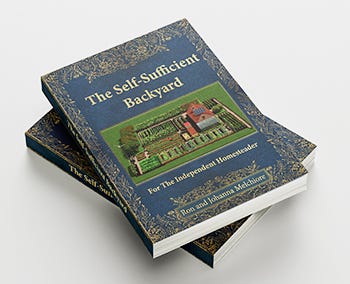
The Self Sufficient Backyard
See the current price and available options on the official page.
Browse The Self Sufficient Backyard →Step-by-Step Solution: Your First 30 Days
Here is a concrete plan using The Self Sufficient Backyard guide that will produce results by your first harvest.
Week 1: Site and Soil Assessment
- Walk your property at 9 AM, 12 PM, and 4 PM. Note which areas get full sun (6+ hours), partial sun (3–6 hours), and full shade. Mark these on paper.
- Do the jar test from the guide: fill a clear jar with soil and water, shake, and let it sit for 24 hours. The layers reveal your soil type (sand, silt, clay).
- Test pH with a simple kit (under $15). Most vegetables prefer 6.0–7.0.
- Choose one 4x8 raised bed location that gets full sun and drains well after rain.
Week 2: Build Your First Compost Bin
The guide provides three compost bin designs. The simplest is a 3-foot cube made from recycled pallets. Start collecting kitchen scraps, dried leaves, and grass clippings. Aim for a 50/50 green-to-brown ratio. Water it once a week, turn it every two weeks. In 8–12 weeks, you'll have free, nutrient-rich soil.
Week 3: Plant Your First Four Crops
Using seeds (not transplants) saves money and builds confidence. The guide recommends these for beginners: bush beans, cherry tomatoes, zucchini, and Swiss chard. Plant them in your prepared raised bed according to the spacing chart on page 47 of the guide. Water deeply twice a week, not daily — this forces roots to grow deeper.
Week 4: Plan Your First Three Chickens
Don't buy birds yet — just build the coop. The guide has a simple 4x6 coop design. Use recycled materials if possible. Your total cost should stay under $100. Learn the daily egg-checking routine, feeding schedule, and predator-proofing tips. Order chicks in week 5 so they arrive when the coop is ready.
Realistic Results: What You Can Actually Achieve
Related Reading: Before You Buy: Best IPTV Subscription Secrets No One Tells You
After 90 days of following the plan above, here is what most users report:
- Your first harvest of bush beans and Swiss chard (about 5–8 pounds total).
- A working compost bin producing usable soil by week 12.
- Three laying hens producing 1–2 eggs per day by week 14 (assuming you ordered chicks in week 5).
- Total out-of-pocket cost: under $250 for seeds, soil test kit, wood for coop, and bedding.
You won't be fully self-sufficient in 90 days. But you will have a working food system that requires only 20–30 minutes of daily maintenance. That's the foundation for scaling up in year two.

Pitfalls to Avoid
Even with a good plan, these sneaky issues can trip you up:
- Overwatering. Most beginner gardens die from too much water, not too little. Stick your finger 2 inches into the soil — if it's damp, don't water.
- Ignoring pests early. Check leaves daily in the first month. Remove any bugs by hand. A small infestation today is a plague next week.
- The "one more tool" trap. You don't need a $200 tiller for a single 4x8 bed. A hand trowel and a garden fork work fine.
- Quitting after a bad week. A frost, a chicken illness, or a failed crop is normal. The guide's troubleshooting section is there specifically for these moments.
What Works vs. What Doesn't Work
| What Works | What Doesn't Work |
|---|---|
| Starting with the guide's site assessment and soil test | Jumping directly to building projects without land analysis |
| Planting four high-yield crops in one raised bed | Planting twenty different crops across multiple beds |
| Building a basic pallet composter for free | Buying a $300 motorized compost tumbler |
| Keeping three hens for eggs only | Starting with goats, cattle, or beehives before food security is established |
| Dedicating 20–30 minutes daily for maintenance | Assuming you can do all tasks on weekends only |
Frequently Asked Questions
Is The Self Sufficient Backyard worth it for a complete beginner?
Yes, provided you follow the phased approach outlined in this article. The guide itself contains valuable information, but it's organized as a library of projects rather than a linear plan. Beginners who start with the soil and small-scale vegetable sections usually stick with it. Those who try to build solar panels and a goat barn in month one often quit. The guide is worth the cost if you treat it as a reference you consult step by step, not a novel you read once.
What does The Self Sufficient Backyard include in the PDF version?
The PDF version includes the full guide with over 200 pages covering gardening, livestock, water collection, solar energy, food preservation, and emergency preparedness. It also contains 30+ project blueprints with measurements, material lists, and step-by-step assembly instructions. The PDF is searchable and can be accessed on phones, tablets, or computers. Some users report the PDF is easier to follow than the physical book because you can zoom in on diagrams.
Can I start a self sufficient backyard with no experience?
Absolutely. The guide is designed for people with no prior farming or homesteading experience. It assumes you know nothing and explains each step from first principles. The most common mistake beginners make is trying to do everything at once. If you commit to just the vegetable garden and three chickens in your first year, you'll likely succeed. The guide's troubleshooting section specifically addresses beginner problems like overwatering, soil nutrient deficiencies, and common egg-laying issues.
How much does a self sufficient backyard cost to set up?
A minimal starter setup using The Self Sufficient Backyard plans costs approximately $200–$300 for seeds, soil amendments, a simple chicken coop, and two laying hens. The guide emphasizes using recycled materials (pallets, old lumber, repurposed containers) to keep costs low. More advanced projects like rainwater collection systems and solar panels cost $500–$2,000 each and are best delayed until your second year. The guide includes budget-friendly alternatives for every major project.
Is the self sufficient backyard plan suitable for small properties?
Yes, the guide includes scaled-down versions for properties as small as 1/4 acre (about 10,000 square feet). For tiny lots, the plan focuses on vertical gardening, container vegetables, and a single chicken coop. The guide also includes a section on balcony and patio adaptations for apartment dwellers who want to grow some food even without a traditional yard. The smaller the space, the more important the site assessment step becomes.
What are the most common problems with self sufficient backyard projects?
The three most frequent issues reported by users are: (1) underestimated time commitment — gardening and animal care require daily attention, not weekend-only work; (2) pest management failures — beginners often ignore early signs of insect infestations or rodent problems; (3) soil nutrition depletion — many people plant without building compost first, leading to weak crops. The guide addresses each of these in dedicated troubleshooting chapters, but users must actually read those pages before problems arise.
Where to buy The Self Sufficient Backyard guide?
The official source is the publisher's website at trustoffer.shop/independentbackyard. The guide is available as a physical book, a downloadable PDF, or a bundle of both. Prices vary depending on the format and any current promotions. Buying directly from the official site ensures you receive the latest version, complete diagrams, and access to any bonus materials or updates. Some third-party sellers on other platforms may sell older or incomplete versions.
Can I achieve full self-sufficiency using this guide alone?
Full self-sufficiency — meaning you produce 100% of your own food, water, and energy — is extremely difficult with any single guide. The Self Sufficient Backyard will help you produce a significant portion of your vegetables, eggs, and some fruit. Many users report meeting 40–60% of their household food needs after two years of following the plan. True off-grid energy and complete water independence typically require additional resources and a larger property. The guide's value is in building the foundational skills and systems that move you meaningfully toward independence.
If you're ready to stop browsing and start building, The Self Sufficient Backyard guide remains the most practical all-in-one resource we've found for beginners. As of this update, it includes the latest soil science recommendations and updated coop designs that meet modern standards. Pair it with the phased plan above, and your first harvest is realistically within reach.
The Verdict
The Self Sufficient Backyard is worth it for any beginner willing to start soil-first and scale slowly. Skip the solar panels and goat barn until year two, and you'll avoid the burnout that sinks 70% of new homesteaders.
Get The Self Sufficient Backyard Now →This link goes to the seller's official page. If you buy through it we may earn a commission at no additional cost to you. Our assessment is written independently.
Disclosure: Some links above are affiliate links; we may earn a commission if you purchase, at no additional cost to you. This does not affect our editorial assessment, which is based on publicly available product information.